🔑 Key Takeaways
- Parking is the most underestimated challenge of downtown living and becomes a daily planning habit, not a minor inconvenience
- Riverfront properties attract specific buyers seeking walkability; the buyer pool is smaller and more selective than suburban markets
- Test your actual commute route at different times before committing, as event traffic and festival crowds can significantly impact the smaller downtown grid
- Downtown living success depends on how you actually live daily, not how you picture yourself living—quiet workers and garage-dependent families should reconsider
- Walking to dinner, embracing neighborhood energy, and shorter commutes are the real wins for people thriving in downtown Wilmington
📋 Episode Chapters
Episode Summary
Show Notes
📝 Full Episode Transcript
Full Episode Transcript: Life in Downtown Wilmington and Riverfront
This is the complete, auto-generated transcript of the episode. Timestamps are provided for quick reference.
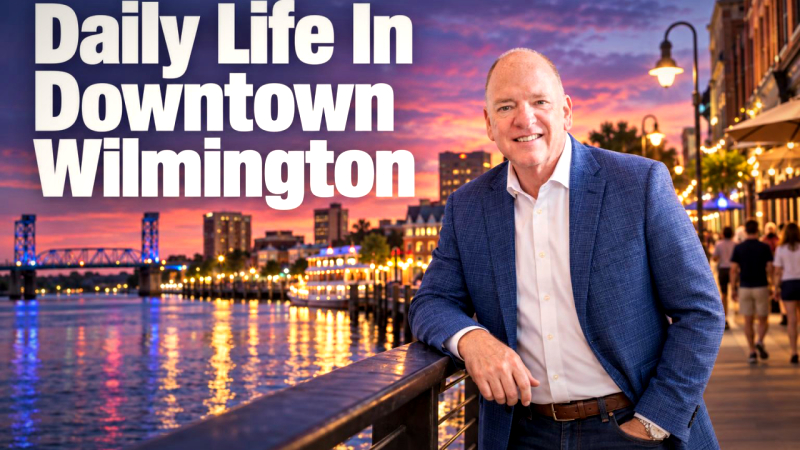
Welcome to Real Stories with Buddy Blake. Today's episode features real estate insights from Buddy Blake. Let's dive in. So, today we're talking about downtown Wilmington and riverfront living.
And Buddy, you told me this is one of the topics people ask you about more than almost anything else. Why do you think that is? Yeah, it's honestly one of the top questions I get.
People see the riverwalk, they picture themselves with coffee looking out at the Cape Fear River, and they want to know, does that daydream actually match real life? And the honest answer is, some days it does, some days it doesn't. Okay, I like that you're not just selling the postcard version.
So, let's start with the basics. What does downtown living actually mean day to day? So downtown means you're close to Front Street, close to the river, close to a lot of foot traffic.
You can walk to dinner, you can walk to work if your job's down there. But here's the trade, you give up the big yard and the two car garage that most other Wilmington neighborhoods offer. Right.
That's a real tradeoff. What's the thing people usually don't see coming? Parking. It's the first thing people underestimate.
If your home doesn't come with dedicated off-street parking, you're planning your evenings around where you're going to park when you get home, especially on weekends. That's not a deal-breaker for everybody, but it's a real daily habit you build. It's not some minor thing you forget about after a week.
Huh. So it's less about the inconvenience and more that it becomes part of your routine. Exactly. It shapes how you plan your whole evening sometimes.
Let's talk about getting in and out. Downtown's right by the river, so how does that affect your commute? Downtown sits close to the river, which means your routes in and out run through a smaller grid of streets than you'd find out in the suburbs.
Normal weeks? No issue at all. But during big events, festivals, or when storm season brings evacuation traffic, those same streets get busy fast.
So if somebody's thinking about commuting out to another part of town for work, what's your advice? Drive your actual route at different times of day before you commit. Not just at 10 a.m. on a Tuesday when everything looks easy.
That's the mistake people make. That's such practical advice. Okay, let's get into the noise and events side of things, because I feel like that's a big part of the Riverfront appeal, too.
It is. The Riverfront draws people. That's part of the appeal, but it also means noise. Concerts, festivals, events, they bring music and crowds right up close to home.
The King Mackerel Tournament is a good example. It fills the Riverfront with boats, vendors, foot traffic for a stretch of days. So if you want dead quiet every single night, this probably isn't your spot. Right.
Downtown and Riverfront living isn't built for that. But if you like the energy and don't mind trading some quiet for it, this is exactly the kind of spot that feels alive instead of empty. That's a good way to put it.
So who does this lifestyle actually fit? You've sold a lot of these homes, so you must have seen both sides. I have. I've sold downtown and Riverfront homes to people who thrive there and to people who moved out within a couple years.
And the difference usually comes down to how they actually live, not how they pictured living. Can you break that down a little more? Sure.
If you work from home and need quiet during the day, or you need a garage and driveway without thinking about it, downtown asks you to adjust more than most buyers expect. But if you like walking to dinner, don't mind a shorter commute on busier streets, and want to be in the middle of things, it can be one of the best decisions you make in this market.
That's such a fair, honest way to frame it. Now for folks who want to actually go look at what's out there, what's available. You can browse what's currently available in the downtown Wilmington neighborhood and see how pricing and activity there compare with the rest of the city.
And if you want to see everything on the market across the whole city, not just downtown, that full list is a good place to start too. We've got all that linked in the show notes. Perfect.
Now let's flip it. What if somebody's thinking about selling a downtown or Riverfront home? Is that a different process? It really is.
Downtown and Riverfront homes don't sell like suburban homes. Buyers who want this lifestyle are specific about it, and a pool of people who genuinely want to trade a yard for walkability is smaller than the pool of buyers looking at a typical subdivision.
So does that mean pricing and positioning matter even more here? It matters even more, not less. And honestly, I'd rather walk your specific property and talk through what buyers in this market are actually responding to right now than guess from a distance.
I really appreciate how straight you are about this stuff, buddy. No sugarcoating either direction. So if somebody's sitting there trying to decide if downtown or Riverfront living fits their daily life, or they're thinking about selling in that part of town, what should they do?
Give me a call or text 910-395-1000. Happy to talk through it honestly, no pressure either way. And the full article with all the details we covered today is linked right in the show notes.
Love it. Buddy, thanks so much for walking us through this one, honestly and in full. This was great. Thanks for listening to Real Stories with Buddy Blake.
For the full article and more, check the show notes. See you next time.
❓ Frequently Asked Questions
What is the biggest challenge of living downtown Wilmington?
Parking is the top challenge. Without dedicated off-street parking, you'll plan your evenings around where you can park, especially weekends. This becomes a daily habit that shapes your routine, not just a minor inconvenience.
How bad is commute traffic from downtown Wilmington?
Normal weeks are fine, but downtown's limited grid of streets gets congested quickly during festivals, events, and evacuation traffic. Test your actual route at different times of day before committing to living downtown.
Is downtown Wilmington noisy from riverfront events?
Yes, expect noise from concerts, festivals, and events like the King Mackerel Tournament that bring crowds to the riverfront. If you need dead quiet every night, downtown isn't the right fit; but if you enjoy urban energy, it's a vibrant lifestyle.
Who is downtown Wilmington living best for?
Downtown living works best for people who want to walk to dinner, embrace shorter commutes on busier streets, and enjoy being in the middle of activity. It's not ideal for remote workers needing daytime quiet or people who require garage parking and large yards.
Is it harder to sell a downtown Wilmington home?
Yes, downtown and riverfront homes attract specific buyers seeking walkability rather than yards. The buyer pool is smaller and more selective than suburban properties, making pricing, positioning, and market timing even more critical.
About the Host

Get Your Free Home Valuation from Buddy Blake
Whether you're thinking about selling, refinancing, or just curious — get an instant, free home valuation report with neighborhood comparisons and market trends.