🔑 Key Takeaways
- New construction base prices don't include lot premiums, upgrades, finishes, or community setup costs—the real price is significantly higher than the advertised base
- Resale inspections uncover maintenance costs (roof, HVAC, plumbing, moisture) that become year-one expenses, but homes may already have completed upgrades and mature landscaping
- Both new and resale homes require professional inspections; new construction inspections check for installation errors and building defects, not just wear and tear
- Property tax assessments differ between new construction (subject to county reassessment) and resale homes (with available tax history), affecting long-term costs
- True net cost comparison requires looking beyond sticker price to understand warranty coverage, upgrade expenses, inspection findings, and tax implications before committing
📋 Episode Chapters
Episode Summary
Show Notes
📝 Full Episode Transcript
Full Episode Transcript: New Construction vs. Resale on the NC Coast: The Real Net Cost
This is the complete, auto-generated transcript of the episode. Timestamps are provided for quick reference.
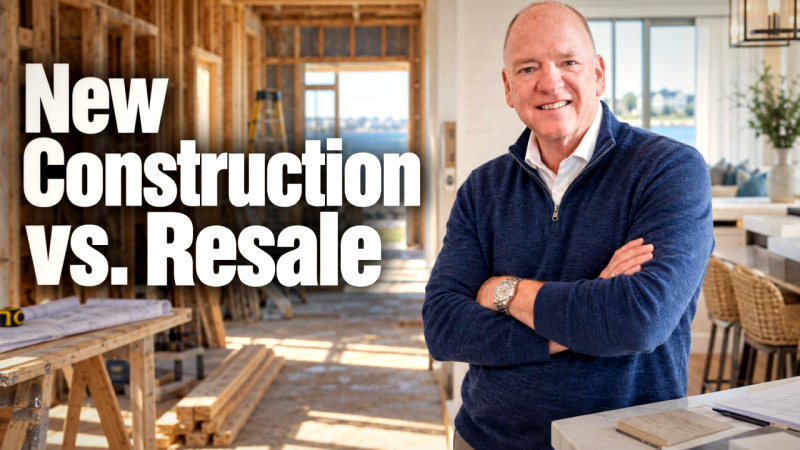
Welcome to Real Stories with Buddy Blake. Today's episode features real estate insights from Buddy Blake. Let's dive in. Okay, so Buddy, I feel like this is one of those questions you must get asked constantly by people moving to Wilmington. New construction or resale? Where do we even start with this one? Yeah, I get it all the time, and most people ask it like it's a taste question, right? Like, do you want a blank slate, or do you want the mature trees and the settled neighborhood feel? But honestly, it's really a money question.
And the truth is, both paths can cost you more than the number on the sign, just in totally different ways. Wait, both? I feel like people assume resale is the one with hidden costs because of, like, old houses and stuff. Is new construction really the same? It really is, just a different flavor of it. A builder's base price is a starting point, not a final number. By the time you add the lot you actually want, the structural options you can't add later, the finishes
that make it feel like your house, that number moves. And a resale price looks more final on paper, but it doesn't include what the inspection's about to find. Neither one is telling you the whole truth by itself. So it's less about which price is bigger, and more about what actually happens after you sign.
Exactly. That's why I always tell buyers to think in net cost, what you'll actually spend to live in that house comfortably for the next several years, not just two numbers on a spreadsheet. Okay, let's break down new construction first then, because I think people walk into those model homes and just get swept up in the excitement of it. Oh, all the time. You're standing there looking at this gorgeous floor plan, and it's easy to forget. Builders price a base house,
then let you customize everything from there. Lot premiums for a bigger home site or a private tree line, upgraded flooring, countertops, a finished garage, and then there's stuff that's not even part of the build. Blinds, a fence, landscaping beyond just sod, sometimes even a mailbox. Wait, a mailbox isn't included?
Sometimes not. It just depends on the builder and the community. And then you've got HOA setup costs in a new neighborhood, plus the reality that a brand new community is still filling in. More construction traffic, more mud, things changing around you. None of that's a deal breaker. It's just part of what new actually costs beyond that base price on the sign. So if someone's shopping new construction here in the Wilmington area, your advice is basically build out a real budget for
options, not just look at the sticker. That's it, exactly. Walk in expecting that budget conversation, not just falling in love with a model home. Okay, now flip it. What's the resale version of this surprise? So a resale home's already been lived in, which means it's got a maintenance history, good or bad. And the inspection is where you find out which one you're getting. Age of the roof, condition of the HVAC, plumbing, electrical, whether the crawl space has moisture
issues, which honestly are pretty common on our coast. And some of that stuff is just cosmetic. Some of it's real money, right? Right. Some of it can wait. Some of it's a negotiation point. And some of it's a real cost you need to plan for in year one. But here's the upside. A lot of that work might already be done for you. Updated kitchens, a roof that's already been replaced, mature landscaping that doesn't need three years to fill in. You're not starting from zero
the way an inspection on new construction kind of assumes you are. Okay, this is something I actually didn't know. People assume brand new houses don't need inspections because, well, they're new. Is that not true? I push back on that every single time. New construction inspections aren't looking for wear and tear. They're looking for installation mistakes, mist flashing, HVAC lines that weren't sized right, grating that sends water toward the foundation instead of away from it.
Oh, wow. So those problems can get built right into a brand new house just as easily as an old one. Just as easily. And honestly, they're usually easier to fix before you close than after. I've actually written before about what to look for on a new construction walkthrough.
It's worth a read whether it's your first new home or your fifth. And resale buyers, think about the same thing from the other direction. Read that inspection report as your negotiating tool, not just a scary list of problems. That's a good reframe, honestly. Okay, what about after closing, taxes, ongoing costs?
Does OnePath win there? Nope, that keeps running either way. New construction in a growing area can see its assessed value shift once the county catches up to the finished product. Resale homes, you've got a tax history you can actually look at before you buy. Either way, it's worth understanding how property taxes work here before you commit to a number you saw on a listing. I actually put together a guide on property taxes in Wilmington and along the coast that walks through what shows
up on your bill. That's linked in the show notes too. So at the end of the day, is there a right answer between the two? Honestly, no. There's no universal right answer. Some buyers want the predictability of a warranty and modern systems, and they're happy to pay for options as they go. Others want established trees, a finished yard, a home with some character that's already been lived in and worked out. Both are reasonable choices. What matters is going in with your
eyes open about what each path actually costs once the dust settles. I love that. Eyes open, not just chasing a number on a sign. So if somebody wants to actually compare both sides for themselves, what do you tell them? Browse homes for sale in Wilmington and see what's actually available in each category.
And check the Wilmington Market Insights page for a real read on what's happening with inventory and pricing right now. My team works with buyers every day walking through exactly this decision, and I'd be glad to have one of them sit down and run the real numbers on both paths for you.
This was such a helpful breakdown, buddy. Thanks for laying it all out like that. Anytime. And look, if you're wrestling with this decision, give us a call or text at 910-395-1000. No pressure, just a straight conversation about what makes sense for your situation. And the full article's linked in the show notes if you want to dig into it more.
Thanks for listening to Real Stories with Buddy Blake. For the full article and more, check the show notes. See you next time.
❓ Frequently Asked Questions
What hidden costs should I expect when buying new construction?
New construction base prices exclude lot premiums for preferred locations, structural upgrades, finishes (flooring, countertops), garage finishing, and items like blinds and landscaping. HOA setup costs and potential property tax reassessment after completion also add to the final cost. Budget 15-30% above the base price for typical customizations.
Do new construction homes need inspections before closing?
Yes. New construction inspections are critical and look for installation mistakes, improper grading, HVAC sizing errors, and flashing issues—problems that get built in as easily as they occur in resale homes. These defects are typically cheaper to fix before closing than after.
What are the most common expensive repairs found in resale home inspections?
Common costly repairs include roof replacement, HVAC system repairs or replacement, plumbing issues, electrical updates, and moisture damage in crawl spaces—especially prevalent on the North Carolina coast. The inspection report becomes a negotiating tool to adjust the offer price or request seller repairs.
Is new construction or resale better for the North Carolina coast?
Neither is universally better; it depends on your priorities. Choose new construction if you want modern systems, warranties, and predictability with customization. Choose resale if you prefer established neighborhoods, mature landscaping, and completed updates. Compare total net costs for both options in your specific situation.
How do property taxes differ between new construction and resale homes?
New construction may see significant tax increases once county assessments catch up to finished market value, while resale homes have an existing tax history you can review before buying. Factor potential tax reassessment into your 5-7 year cost projections for new construction.
About the Host

Get Your Free Home Valuation from Buddy Blake
Whether you're thinking about selling, refinancing, or just curious — get an instant, free home valuation report with neighborhood comparisons and market trends.