Episode Summary
Show Notes
📝 Full Episode Transcript
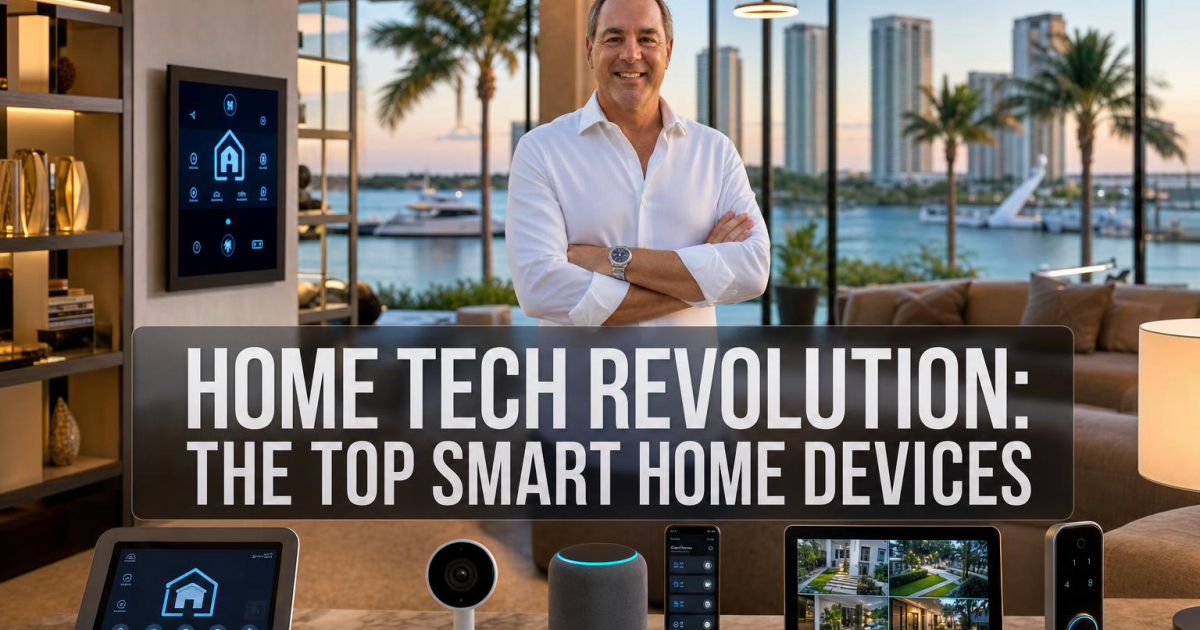
Full Episode Transcript: Home Tech Revolution: The Top Smart Home Devices Sarasota Buyers and Sellers Should Know
This is the complete, auto-generated transcript of the episode. Timestamps are provided for quick reference.
Welcome back to my Real Estate Podcast with David Liberatore. I'm your host. And today, we're diving into something that's become such a huge part of the conversation in real estate, smart home technology.
David, thanks for being here. You know, I feel like every time I talk to someone about buying or selling a home these days, smart home stuff comes up. Why do you think that's become such a big deal?
Hey, thanks for having me. Yeah, it's honestly one of the biggest shifts I've seen in the market. And it makes sense when you think about it.
People are spending more time at home, they want convenience, they want security, and they want to save money on their utilities. Smart home devices tick all those boxes.
So whether you're a buyer looking for a home that's already set up, or a seller trying to make your property more attractive, understanding these technologies is just essential now.
Right, exactly. So if I'm a buyer walking into a home and I see these smart devices, what should I actually be looking for?
Like, what are the must-haves versus the nice-to-haves? Great question. So the must-haves are really the foundational stuff. Smart thermostats are huge.
They learn your habits, adjust temperatures automatically, and can save you a significant amount on heating and cooling costs. Then you've got smart locks, which give you keyless entry and remote access.
That's both convenient and a security feature that buyers really value. And smart lighting systems are becoming standard, too. But beyond that, you've got things like video doorbells, security cameras, smart speakers, and whole home automation systems.
Those are amazing, but they're more about the lifestyle upgrade. Oh, I love that breakdown. So the thermostat and the smart lock, those are kind of the gateway drugs to smart home living, right?
Like, those are the ones that actually save you money or solve a real problem? Exactly. You nailed it.
A smart thermostat can reduce your energy bills by 10% to 15%, sometimes more. And a smart lock, it eliminates the need for physical keys, makes it easier to give access to contractors or guests, and adds a layer of security.
Those are tangible benefits. The other stuff, like having your lights turn on automatically when you walk in, or being able to adjust your temperature from your phone, that's the convenience factor.
Both matter, but the foundational tech has immediate, measurable returns. Okay, so let me ask you this. I'm a seller, and I'm thinking about investing in some smart home stuff before I put my house on the market.
What's actually gonna move the needle for me? Like, what's worth the investment? So here's the thing. You don't need to go crazy and install everything.
Focus on the essentials first. A smart thermostat is probably your best ROI. Buyers see that and immediately think about lower utility bills.
Smart locks are another solid investment because they address security and convenience. And honestly, a good video doorbell is relatively inexpensive, but looks really impressive to buyers.
It's modern, it's functional, and it shows you've thought about home security. Beyond that, if you've already got those basics in place and you want to add more, smart lighting and a security camera system are great.
But don't go overboard trying to install a full smart home ecosystem. That's overkill and might not pay off. That's smart advice, no pun intended.
So you're saying focus on the stuff that solves real problems and shows you've made smart upgrades, but don't try to turn the place into some sci-fi mansion, right?
Ah, exactly. And here's another thing. Compatibility matters. Make sure the devices you're installing work together or at least work with a common platform.
Nobody wants to buy a house where they need five different apps to control everything. That's frustrating. Stick with reputable brands that play well with others and you'll create a much better experience for the next owner.
Oh, wow. That's a really good point I hadn't thought about. So if I'm a buyer, I should actually ask about that stuff too, right?
Like, hey, how do these devices talk to each other? Absolutely. As a buyer, you want to understand what's installed, how it all works together, and what kind of support or documentation comes with it.
Some sellers will hand over all the passwords and setup info, which is huge. Others might not, and that becomes a headache. It's definitely worth asking about during the home inspection or walkthrough phase.
This has been really helpful, David. I think a lot of people are intimidated by smart home technology because it sounds complicated, but the way you're breaking it down, it's actually pretty straightforward.
Start with the basics, pick quality brands, and make sure everything plays nicely together. Is there anything else you think buyers and sellers should know about this stuff?
I think the main thing is to not be afraid of it. Smart home technology is here to stay, and it's becoming more affordable and user-friendly every day.
Whether you're buying or selling, understanding what's available and what actually adds value to your home is just good real estate strategy.
And hey, it makes life easier too. That's a win-win.
About the Host

Get Your Free Home Valuation from David Liberatore
Whether you're thinking about selling, refinancing, or just curious — get an instant, free home valuation report with neighborhood comparisons and market trends.